9TH CENTURY
The spit takes its name from the Curonians, a pagan West Baltic people who settled here in the 9th century. They regarded the forest as sacred and worshipped their gods there.
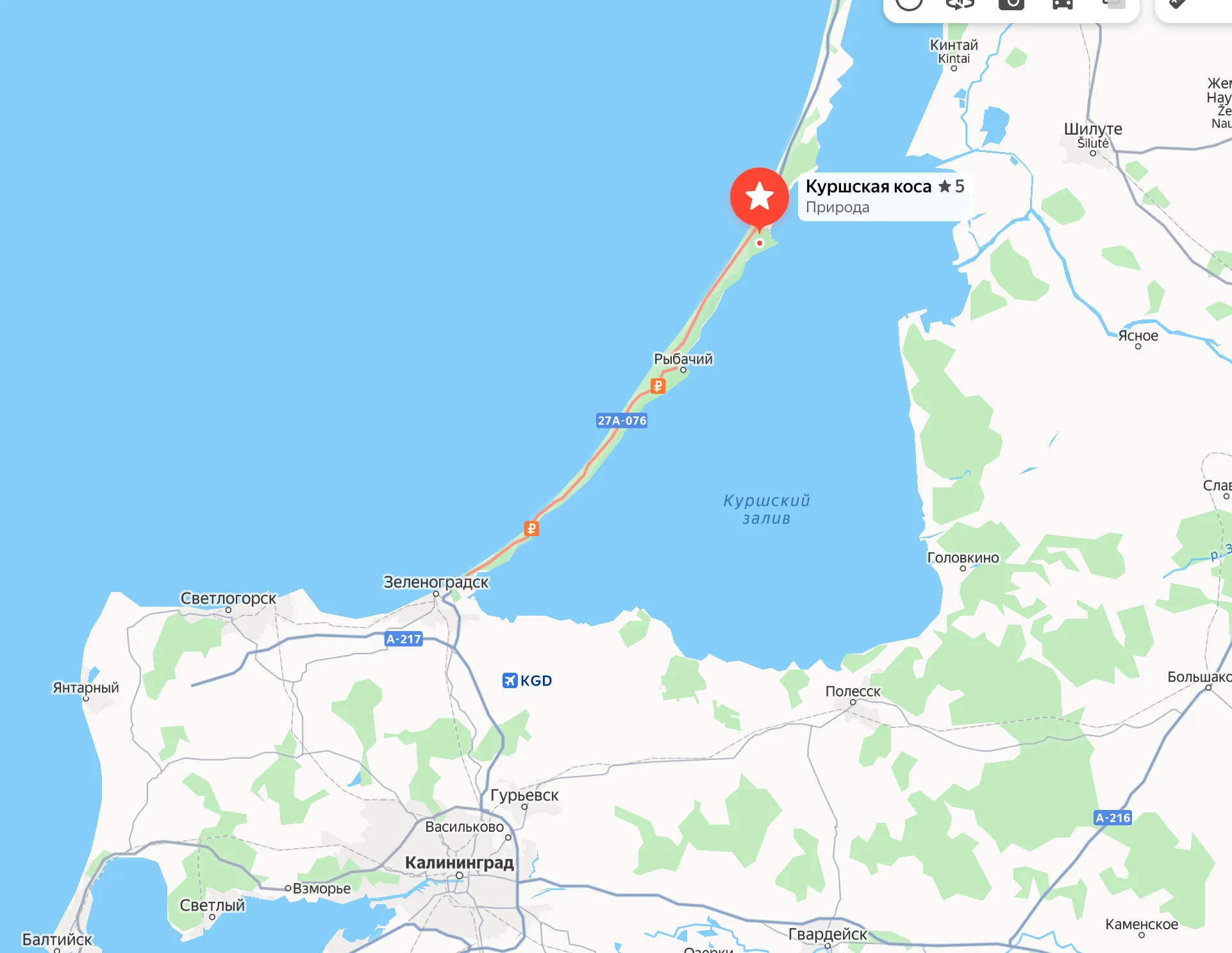
1.5 hours from Usadba
2 hours from central Kaliningrad
2 hours by car from Fishing Village
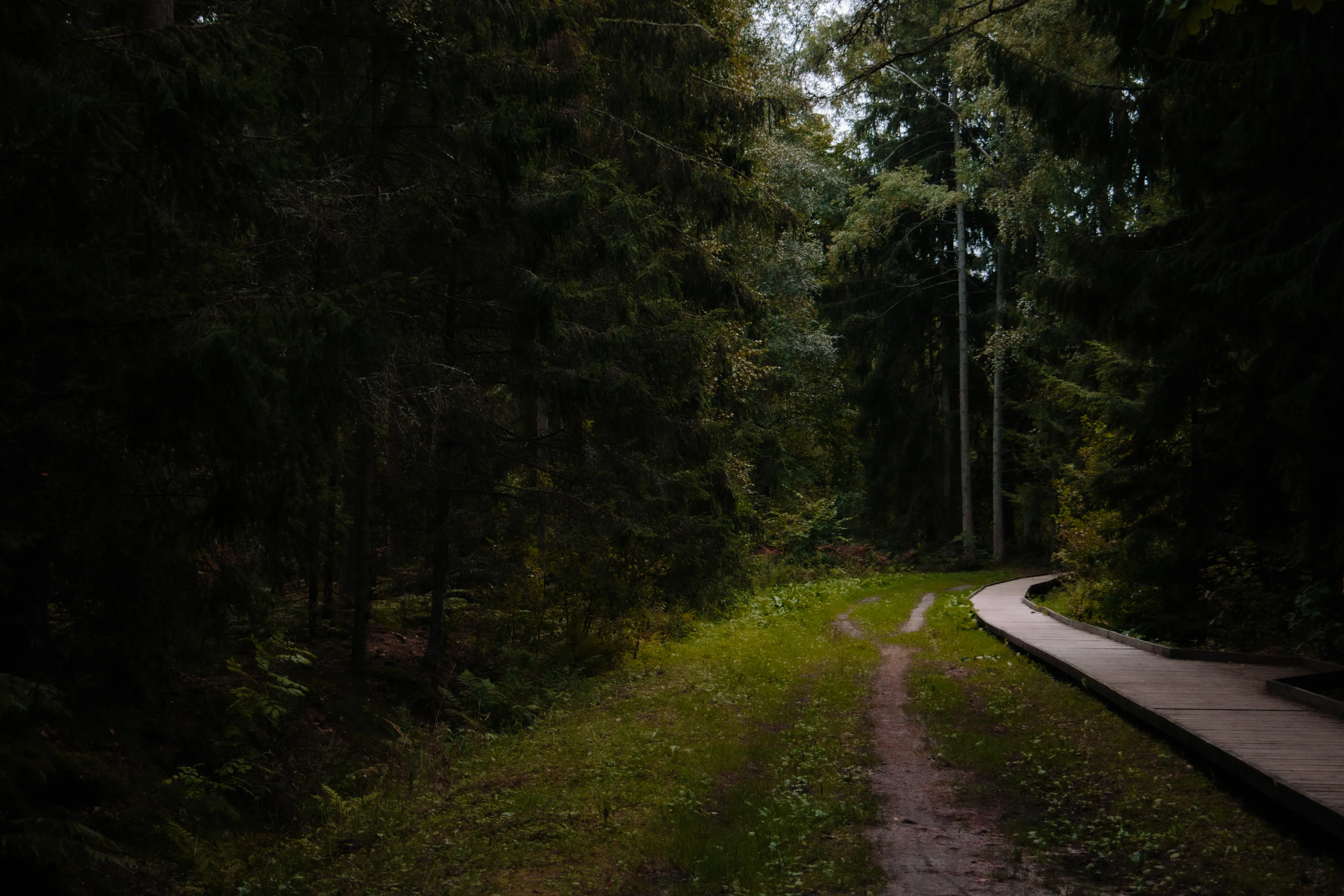
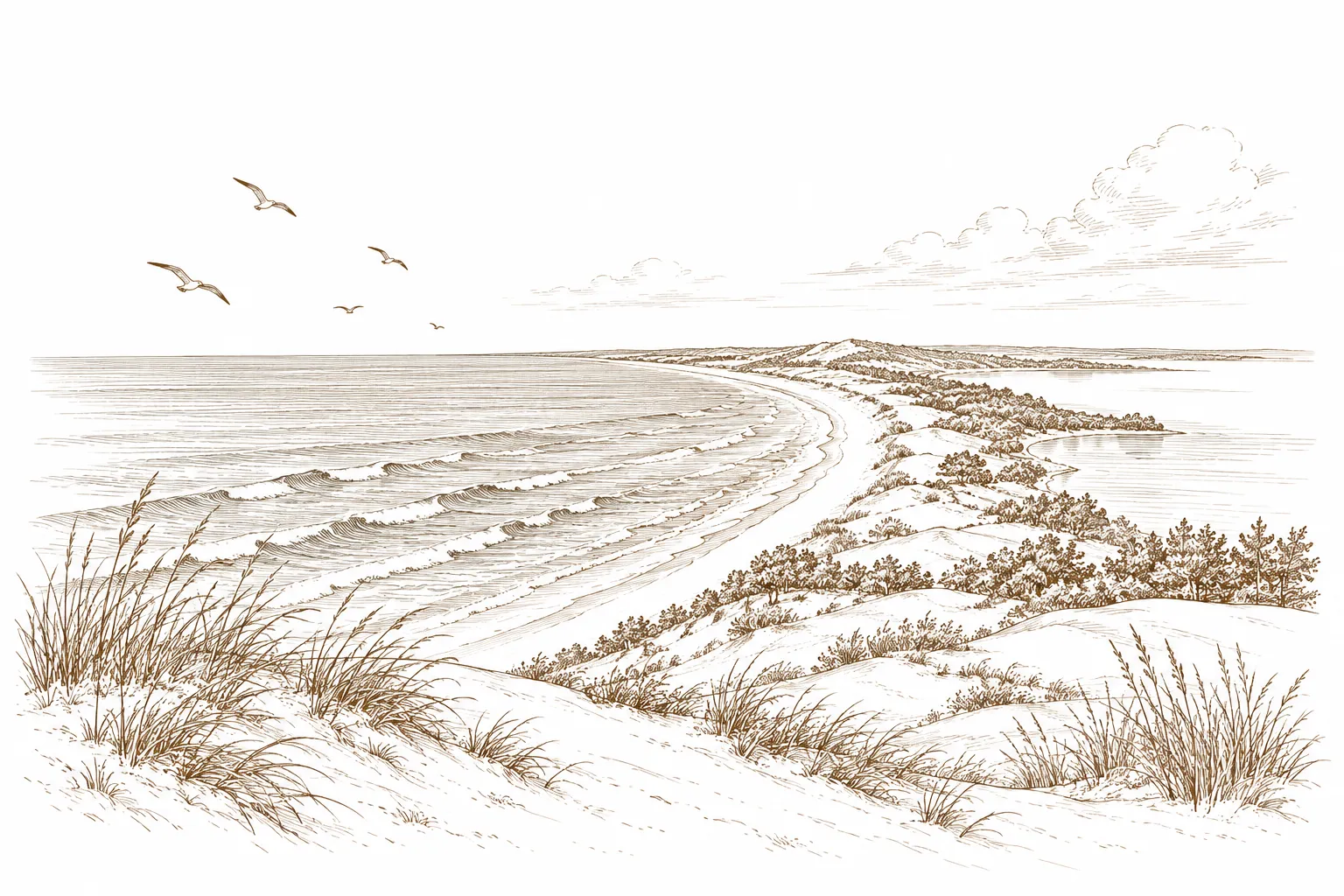
The Curonian Spit is a strip of land between the Curonian Lagoon and the Baltic Sea, covered in sand dunes and pine forests. It stretches for 98 km, with a width ranging from 400 metres near Lesnoy to 3.8 km at Bulvikis Cape, north of Nida.
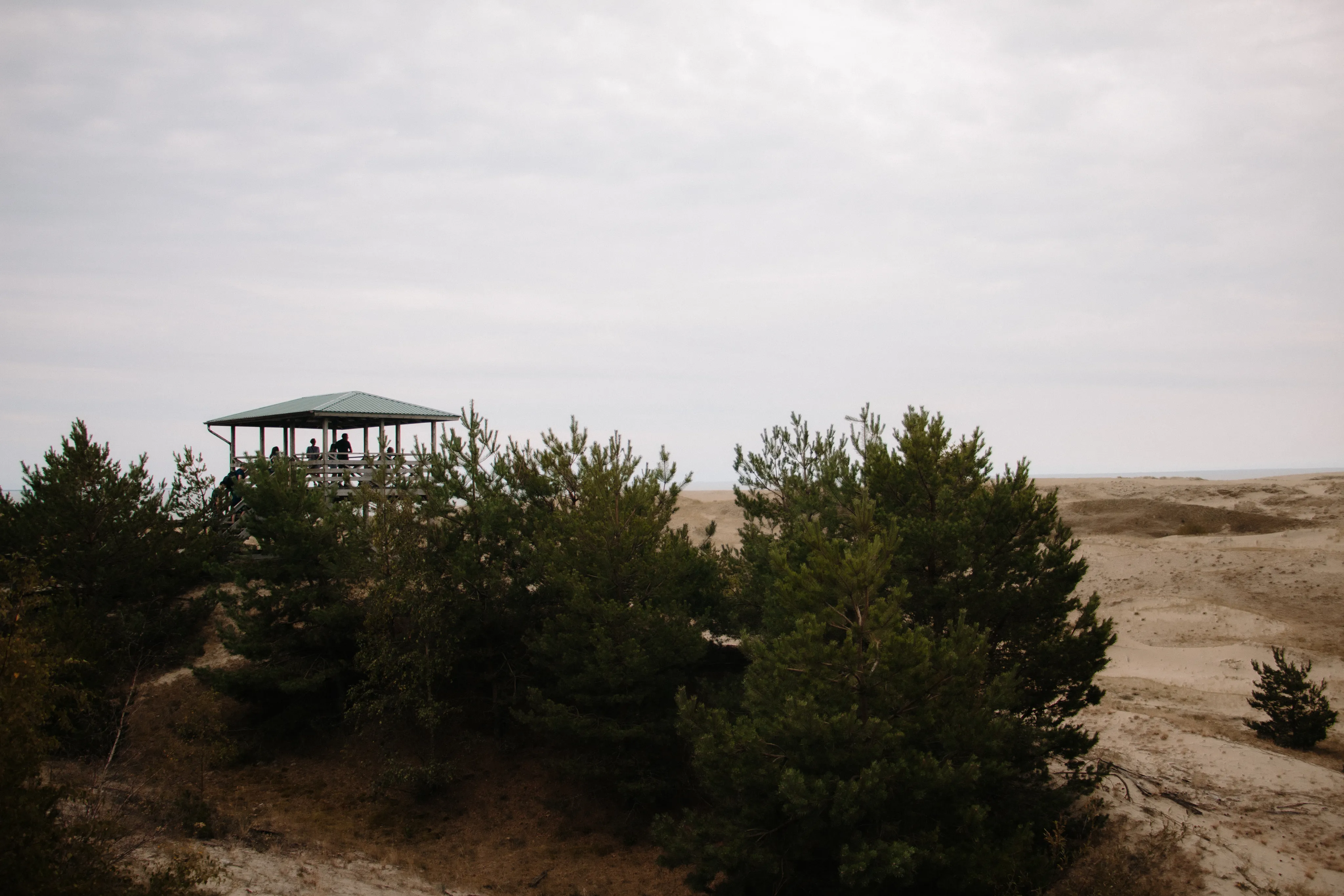
Photo 1 of 2
The spit takes its name from the Curonians, a pagan West Baltic people who settled here in the 9th century. They regarded the forest as sacred and worshipped their gods there.
The Teutonic Order conquered the Curonian Spit. Its territory was divided, with one part coming under Church authority and the other belonging to the Order.
The Curonian Spit became part of the German Empire. Fifty years later, the Klaipeda Revolt led to the northern part of the spit joining Lithuania.
At the outbreak of the Second World War, the Curonian Spit and the Klaipeda Region became part of Germany. After the Soviet victory, part of the spit joined the Lithuanian SSR, while its southern section became part of the Kaliningrad Region of the Russian SFSR.
After the dissolution of the USSR, Lithuania became independent and the northern Curonian Spit once again formed part of the Republic of Lithuania. The southern section remained in the Kaliningrad Region.
One theory places the spit's origins in the earliest period of the Stone Age, following a disaster in the Atlantic Ocean. An island or even a continent is thought to have sunk, causing a tsunami that reshaped the shores of what are now the British Isles and surrounding areas. Long waves reached the Baltic and formed the two spits now known as the Curonian and Baltic spits.
Another explanation suggests that Baltic Sea currents gradually deposited the sand that formed the spit.
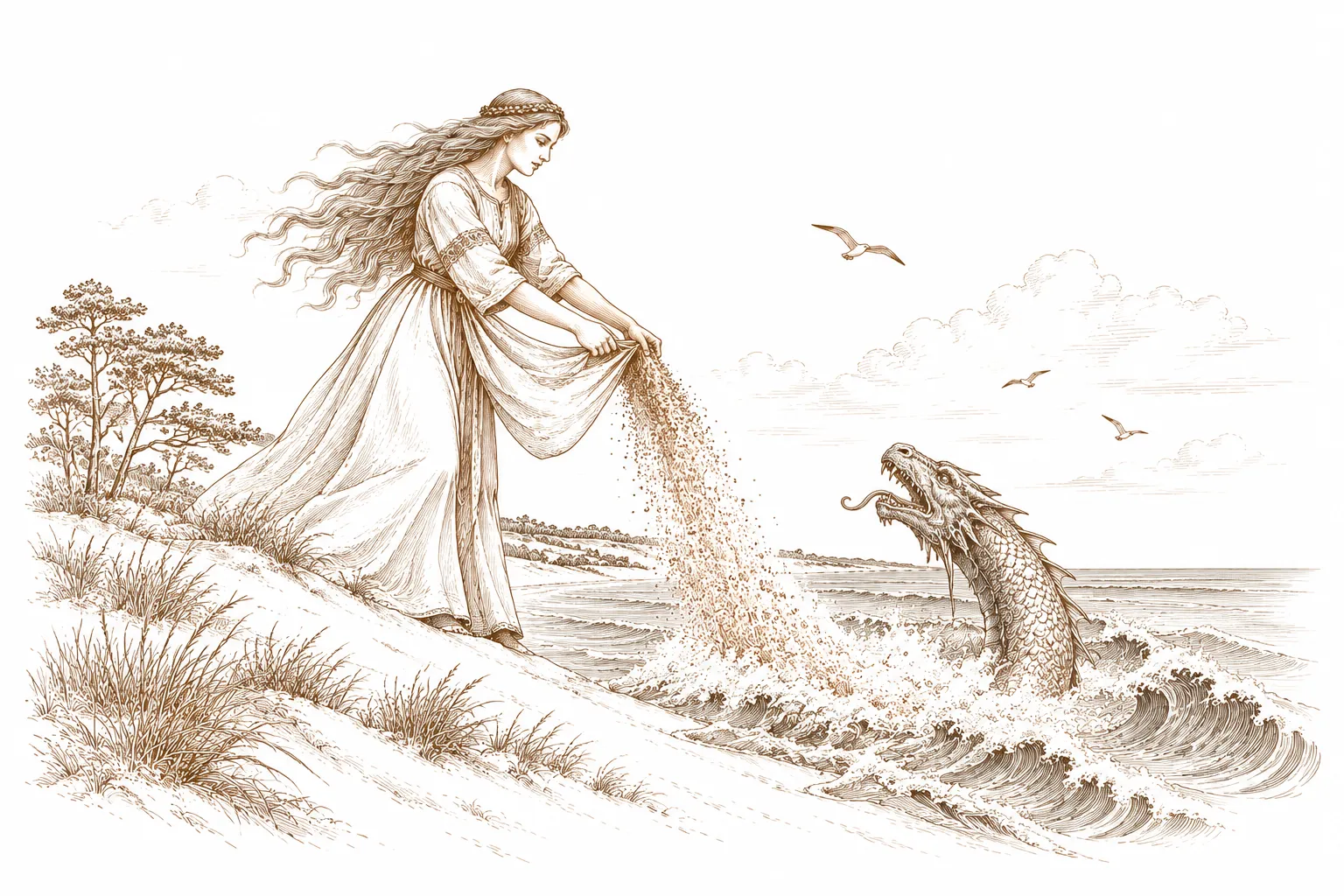
Long ago, a Curonian tribe lived beside the lagoon. Their leader, King Karwait, had a kind-hearted giantess daughter named Neringa. A sea dragon asked to marry her, bringing fabulous riches from sunken ships. Neringa refused. Enraged, the dragon struck the water with its huge tail, raising a storm that threatened to drown the village. To protect her people, Neringa filled her apron with sand and poured it over the dragon until it disappeared. The sea grew calm, and a sandy road emerged. Later generations turned it into a green, majestic spit. The dragon beneath the sand still wakes from time to time, causing the spit's sandy hills, or dunes, to move.
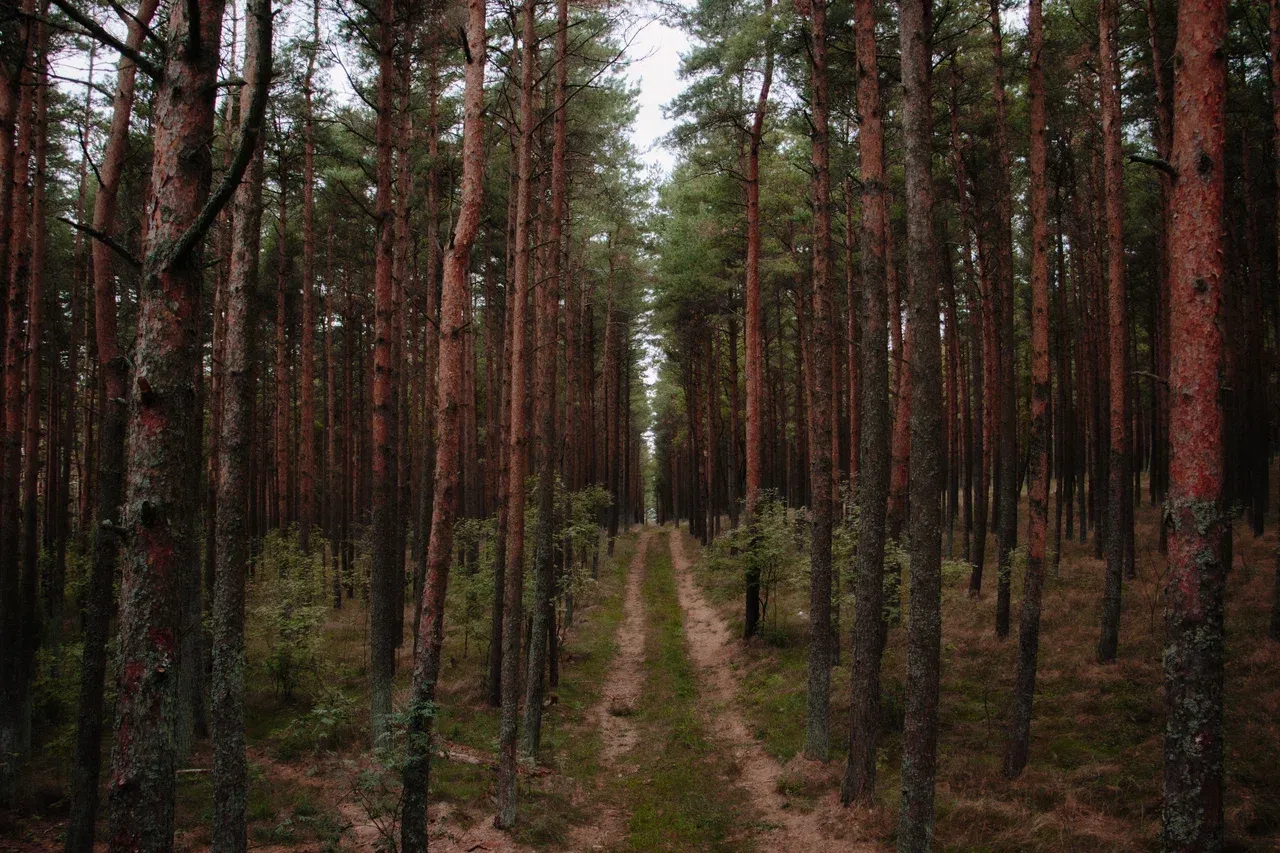
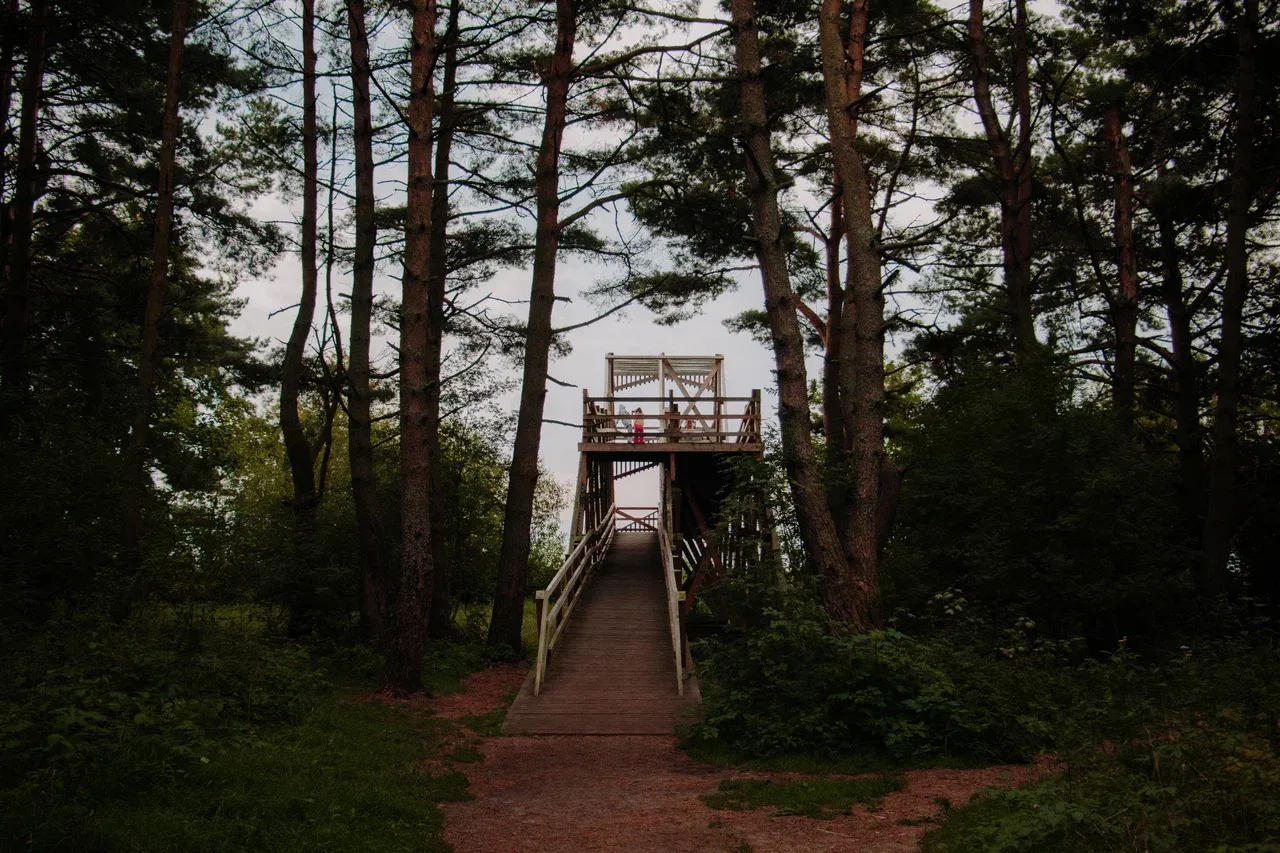
Six dedicated walking routes take visitors to the spit's main natural and cultural landmarks.
For easier navigation, download the Curonian Spit mobile app. This personal guide offers an engaging tour of the national park's highlights. Its navigation feature works without an internet connection.
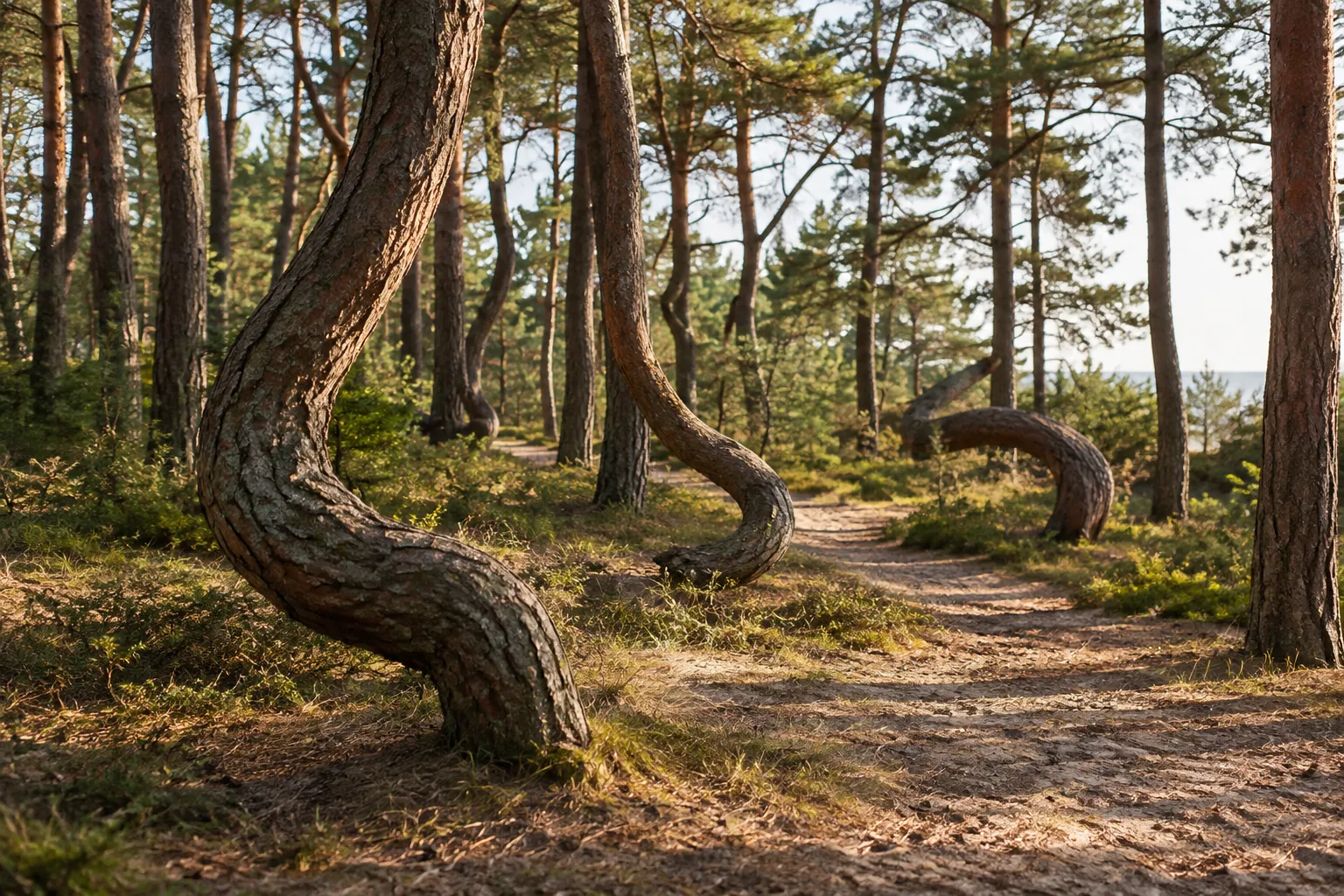
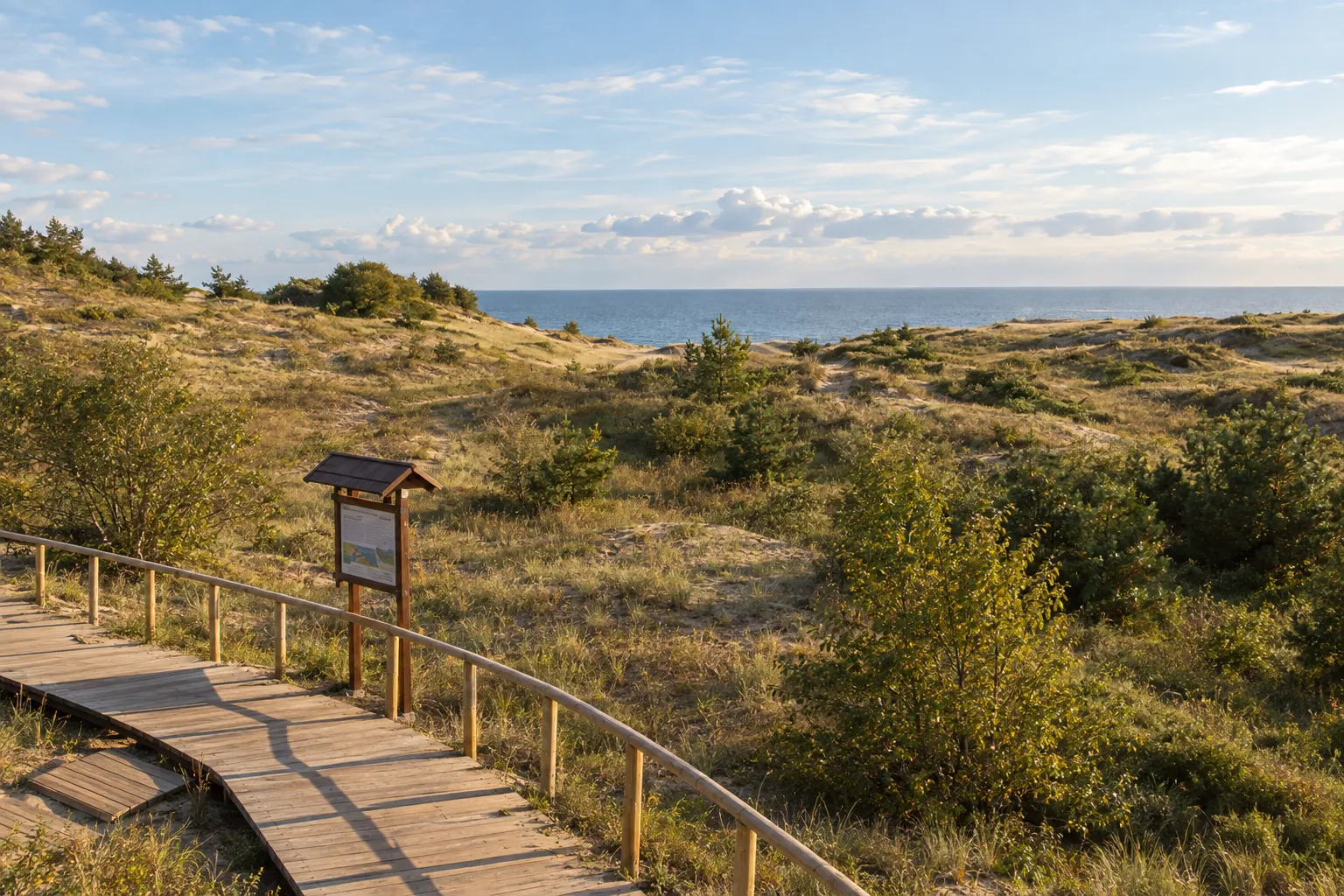
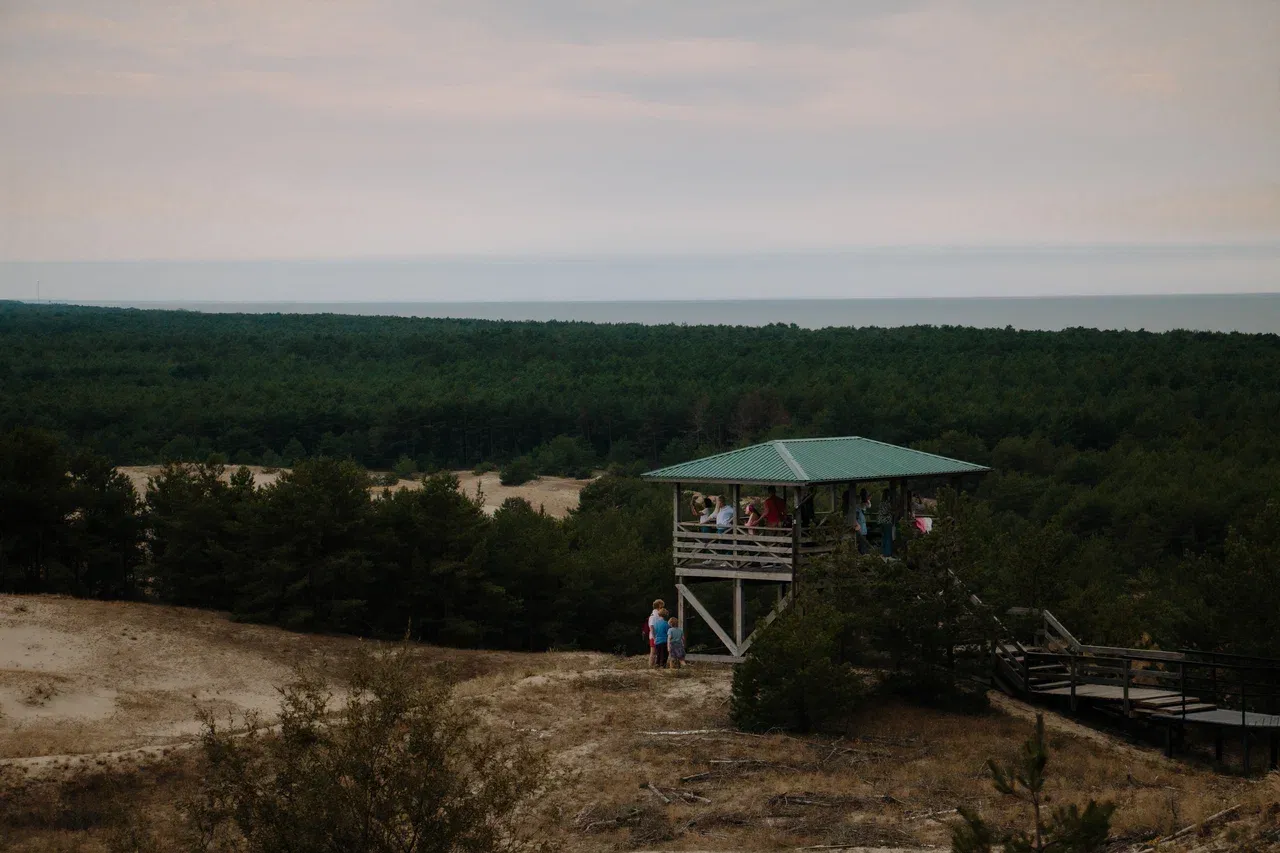
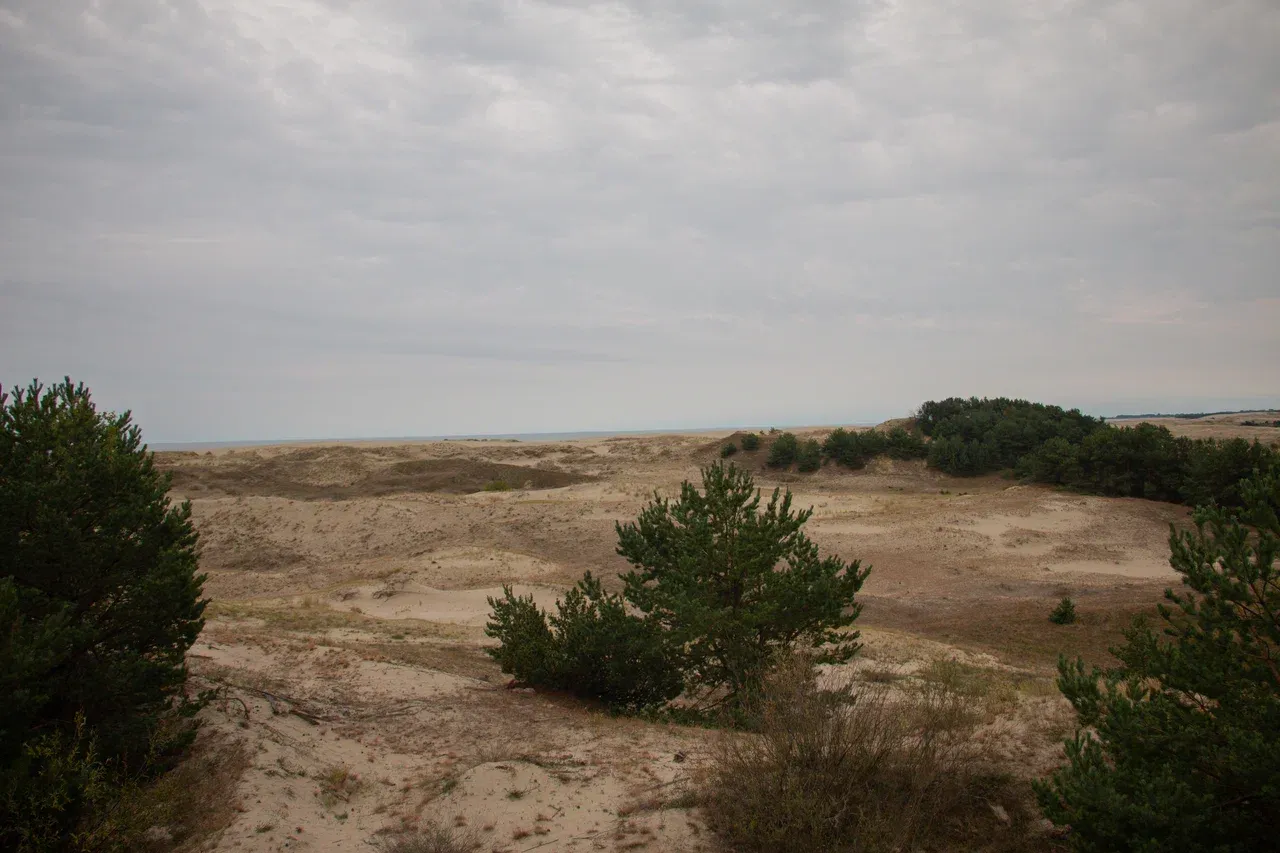
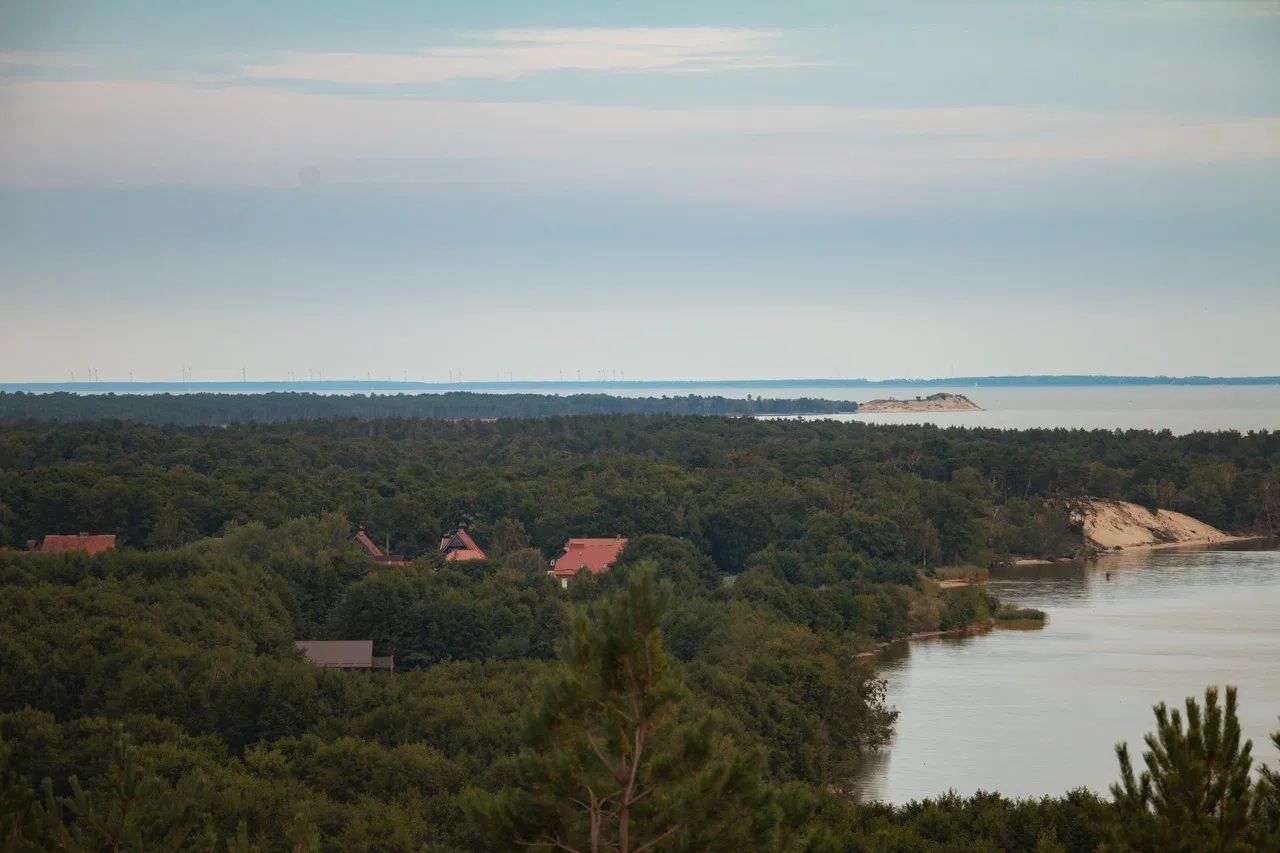
Wind, water and human activity constantly threaten the spit's survival. Adverse weather, irresponsible human actions, fires, development and tourism are among the factors that can damage this natural treasure.
The territory is carefully protected to prevent erosion and destruction. On both sides of the border, the spit lies within national parks whose status provides oversight and protection.
Despite restrictions, some visitors continue to walk or drive on the dunes, leave designated nature trails, climb trees in the famous Dancing Forest or strip bark as a souvenir.
Penalties apply: individual visitors can be fined RUB 15,000–30,000, while legal entities can be fined RUB 100,000–400,000.
Getting here
1.5 hours from Usadba
45 minutes from central Kaliningrad
We have gathered our favourite regional sights and personal recommendations for you. Come and experience the atmosphere for yourself, and discover your own Kaliningrad Usadba.
Kaliningrad Region,
8 and 8A Zarechnaya Street, 8 Rucheyny Lane, Orlovka, Guryevsk District
Phone
+7 (4012) 38–48–50Opening hours
Open 24 hoursCheck-in time
15:00Check-out time
12:00Events for up to 40 guests
+7 (4012) 38–48–50Events for 40 guests or more
+7 (4012) 38–57–97Opening hours
11:00 – 20:00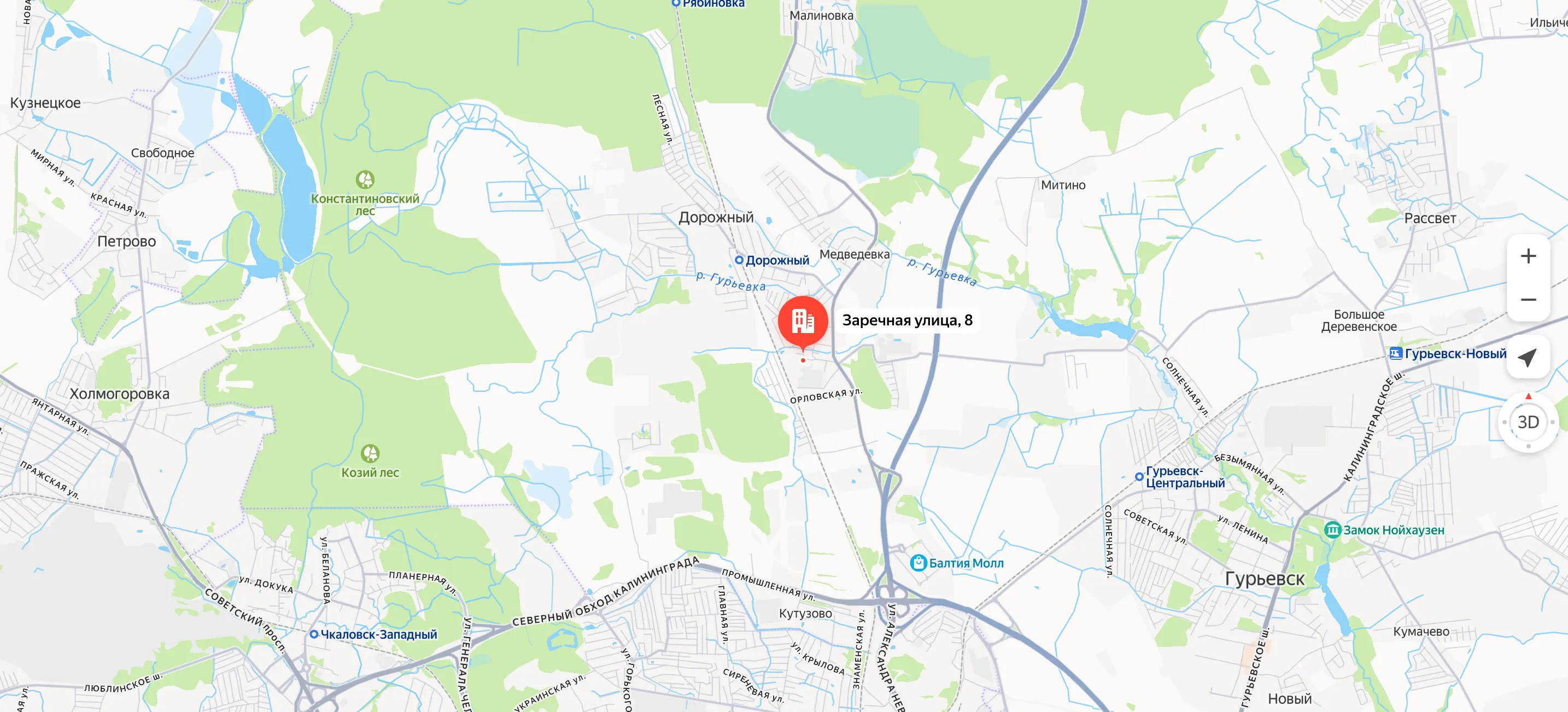

a culinary event
Bring your loved ones to Usadba and spend the day around a generous table, enjoying favourite dishes, traditional festivities and good company.

COMPLIMENTARY TRANSFER
Guests of Usadba Park Hotel can enjoy a complimentary transfer to central Kaliningrad and back. Minibuses seat up to 8 guests.
Departure from Usadba
Daily at 9:15 and 10:00
Departure from the park hotel reception
Final stop: the Amber Museum.
Return to Usadba
Daily at around 19:00
Departure from 2 Marshal Vasilevsky Square
(Dona Hotel car park).